
Single-occupant HBOT
Monoplace hyperbaric chambers
A monoplace hyperbaric chamber treats one person: the whole sealed chamber fills with 100% oxygen, so you breathe normally with no mask. A multiplace chamber is a room for several patients who breathe oxygen through a hood while staff work inside. For most conditions the oxygen dose is identical; the difference is setting, logistics, and cost. Here is which one you actually need.
The definition
What a monoplace chamber is
Monoplace means one place: a single-occupant chamber. The whole vessel fills with 100% oxygen, so you breathe it directly, without a mask.
A monoplace hyperbaric chamber is a sealed, single-person vessel (usually clear acrylic or a rigid hard shell) that is pressurized and flooded with 100% oxygen. Because the entire chamber is the oxygen environment, you simply lie or sit and breathe normally; there is no hood or mask. A technologist monitors the session by camera and intercom from outside. It is the standard design for clinics, wellness centers, and home setups, and the type most buyers are actually choosing between. New to the basics? Start with what a hyperbaric chamber is.
Occupancy is its own axis, separate from shell, pressure, and shape. A monoplace chamber can be a mild soft-shell at 1.3 to 1.5 ATA or a rigid hard-shell at a true 2.0 ATA; it can be lying or seated. "Monoplace" only tells you how many people it holds (one) and that you breathe the oxygen directly.
The other type
And what multiplace means
A multiplace chamber is a pressurized room, not a personal vessel. Several patients sit inside together while medical staff can work alongside them.
A multiplace chamber holds anywhere from two to a dozen or more people. The room is pressurized with air, and each patient breathes oxygen through a hood or mask. Because it is large enough to enter, trained staff can pressurize alongside patients and deliver hands-on care during treatment, which is why multiplace chambers are the choice for critically ill patients and emergency indications such as severe carbon monoxide poisoning and decompression sickness (Lind, 2015).
That capability comes with scale. A multiplace installation is a hospital-grade capital project: a dedicated room, an air-and-oxygen delivery system, a trained crew, and ongoing maintenance. Both types are built to the same medical-grade standards and treat the same FDA-recognized indications (UHMS); the split is setting and scale, not therapy.
Side by side
Monoplace vs multiplace, compared
The two differ in occupancy, how oxygen reaches you, and the scale of the installation, but not in the therapeutic dose at equal pressure and oxygen.
| Monoplace | Multiplace | |
|---|---|---|
| Occupants | One person | Two to a dozen or more |
| How it’s pressurized | Whole chamber filled with 100% oxygen | Room pressurized with air |
| How you breathe oxygen | Directly, no mask or hood | Through a mask or hood |
| Attendant inside | No; monitored by camera + intercom | Yes; staff can treat inside |
| Typical setting | Clinics, wellness centers, home | Hospitals, large medical centers |
| Protocol | Individual pressure profile per user | Whole room to one depth |
| Cost & footprint | Lower cost, compact, low maintenance | Capital project: room, crew, upkeep |
| Oxygen dose | Same at equal pressure + oxygen | Same at equal pressure + oxygen |
The last row is the one to remember: Mayo Clinic notes the treatment effects are the same in monoplace and multiplace chambers. What each pressure actually delivers is in our ATA pressure guide.
How it feels
Breathing directly vs through a mask
The clearest day-to-day difference is your face. In a monoplace chamber nothing covers it; in a multiplace chamber you wear a hood or mask for the whole session.
Because a monoplace chamber is filled entirely with oxygen, you breathe normally with nothing on your face. Many people find that more comfortable and less confining, and it is one reason monoplace is the default for wellness and home use. In a multiplace chamber the room holds pressurized air, so each person breathes oxygen through a hood or mask: necessary for the shared-room design, but an extra layer between you and the therapy.
The trade-off runs the other way for complex medical cases: the shared room is what lets a clinician sit beside a patient and intervene during treatment. For everyday recovery and wellness, though, the no-mask simplicity of a monoplace chamber is usually the better fit. If claustrophobia is your concern, the upright option in our seated and vertical chambers guide is worth reading alongside this.
The real decision
Which one do you actually need?
For almost every home and clinic buyer, the answer is a monoplace. A true multiplace is a hospital installation, not a real purchase decision for most.
If you are equipping a home, wellness center, or clinic, the practical choice is a monoplace chamber. From there the real decisions are hard-shell vs soft-shell (or the deeper hard vs soft breakdown), the pressure you need, and the shape. A genuine hospital multiplace means a dedicated room, a trained crew who pressurize with patients, and a budget in the hundreds of thousands or more; it exists to treat critically ill and emergency patients, not to add HBOT to a wellness menu.
If your goal is simply to treat more than one person (a couple, or a clinic with throughput), you do not need a clinical multiplace either. A multi-occupant hard chamber seats two to four people in one pressurized vessel without the hospital-scale overhead. It is the middle path between a single monoplace and a full hospital multiplace.
Occupancy, in our range
Monoplace & multi-occupant in the Superhuman lineup
Most of our range is monoplace. Two models are multi-occupant hard chambers; to be precise, that is not the same as a clinical multiplace.
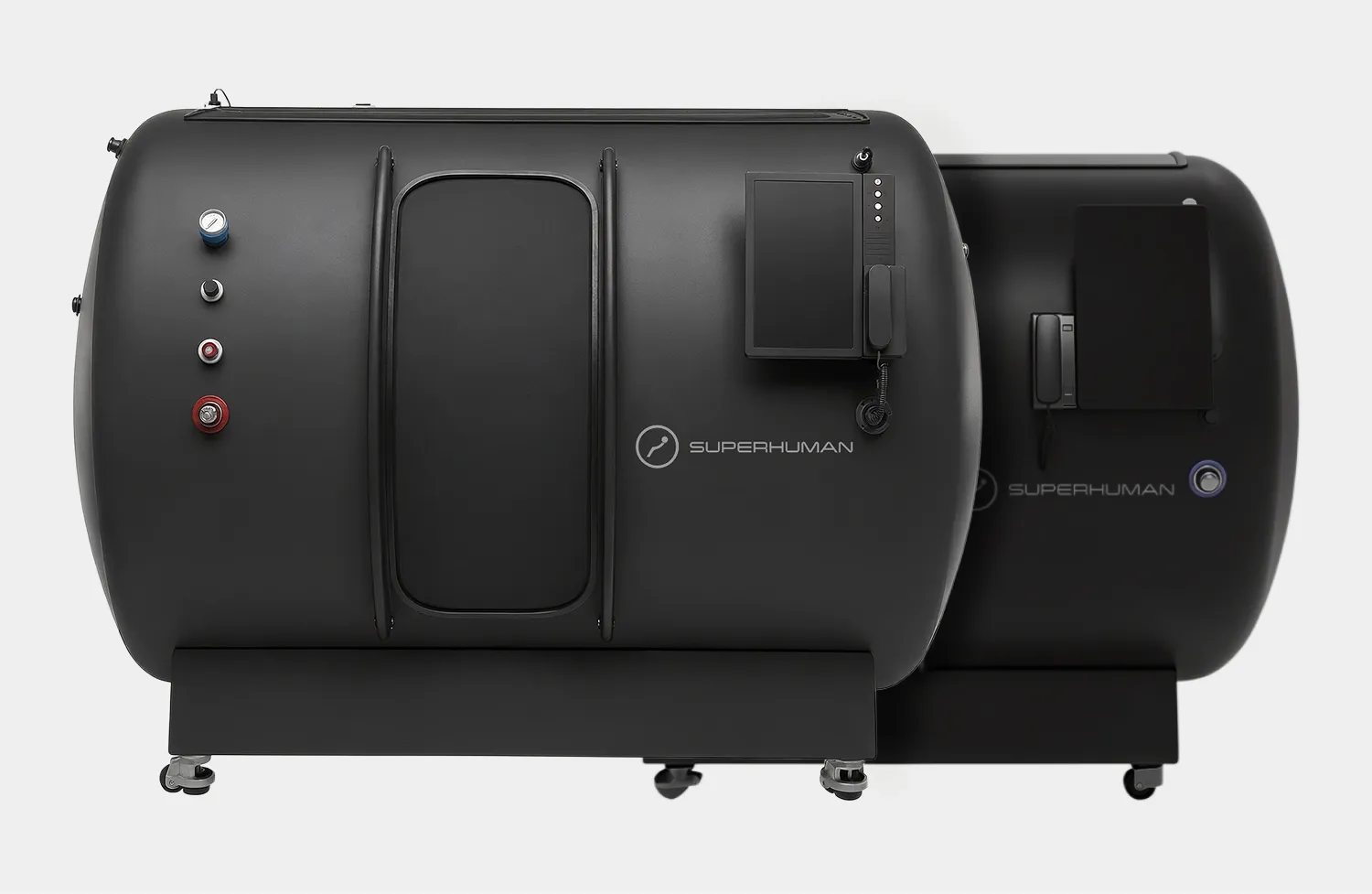
Our single-occupant chambers (the soft-shell S1, and the hard-shell L1 and X at a true 2.0 ATA) are monoplace. The T2 and T4 are multi-occupant hard chambers that seat two to four; everyone shares one pressurized environment, with no hoods and no attendant inside, so they are not a clinical multiplace. Compare them all in best hyperbaric chambers.
The decision
Who should choose monoplace
Match the chamber to the setting. Two questions settle it: how many people will use it, and is anyone using it a critically ill patient who needs care during treatment?
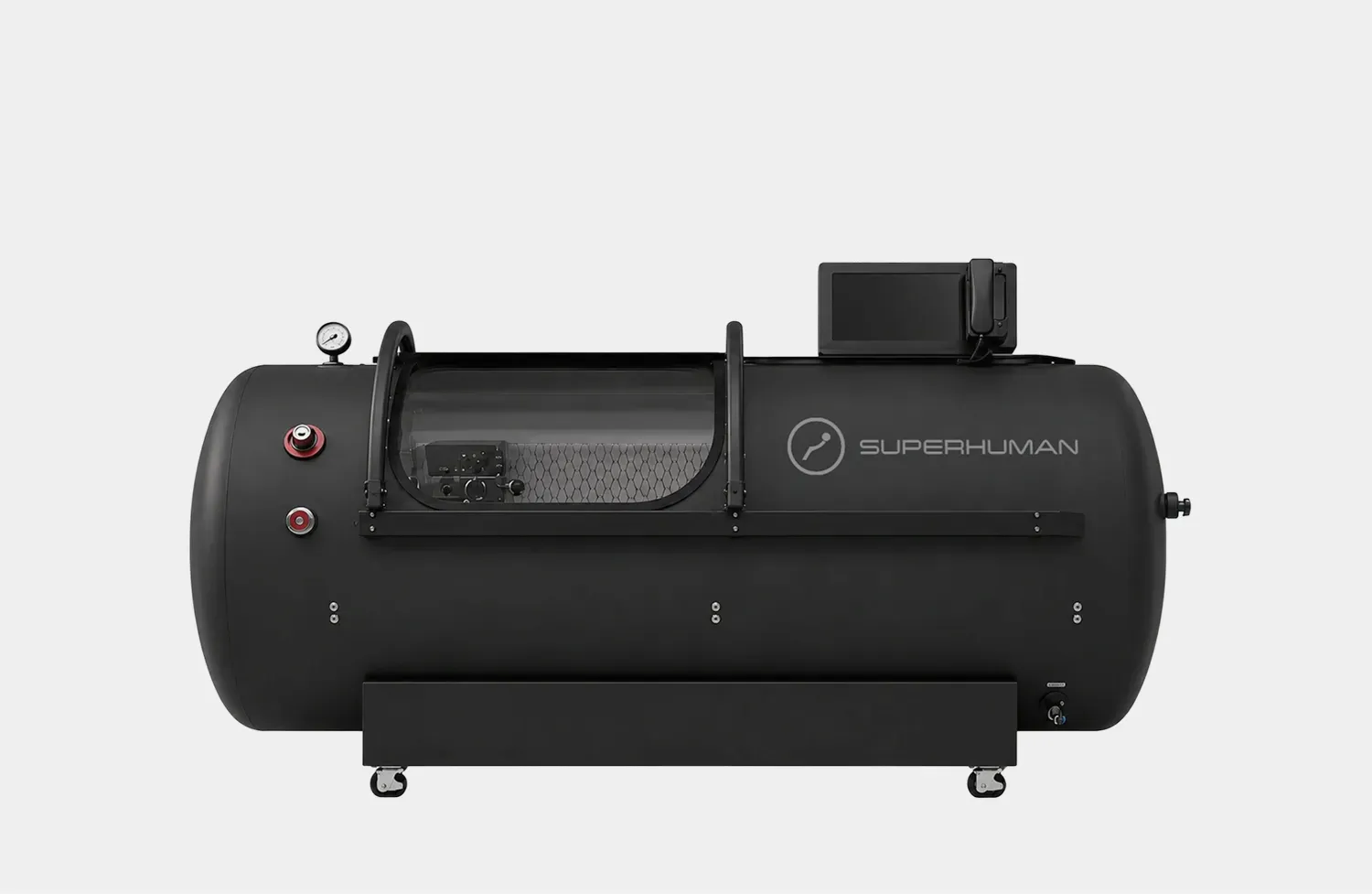
One person, no mask, breathe directly
- For a home, wellness center, or clinic
- You want the no-mask simplicity of breathing oxygen directly
- Users are healthy enough to be monitored from outside
- Then pick shell + pressure: soft-shell S1, or hard-shell L1 / X at 2.0 ATA
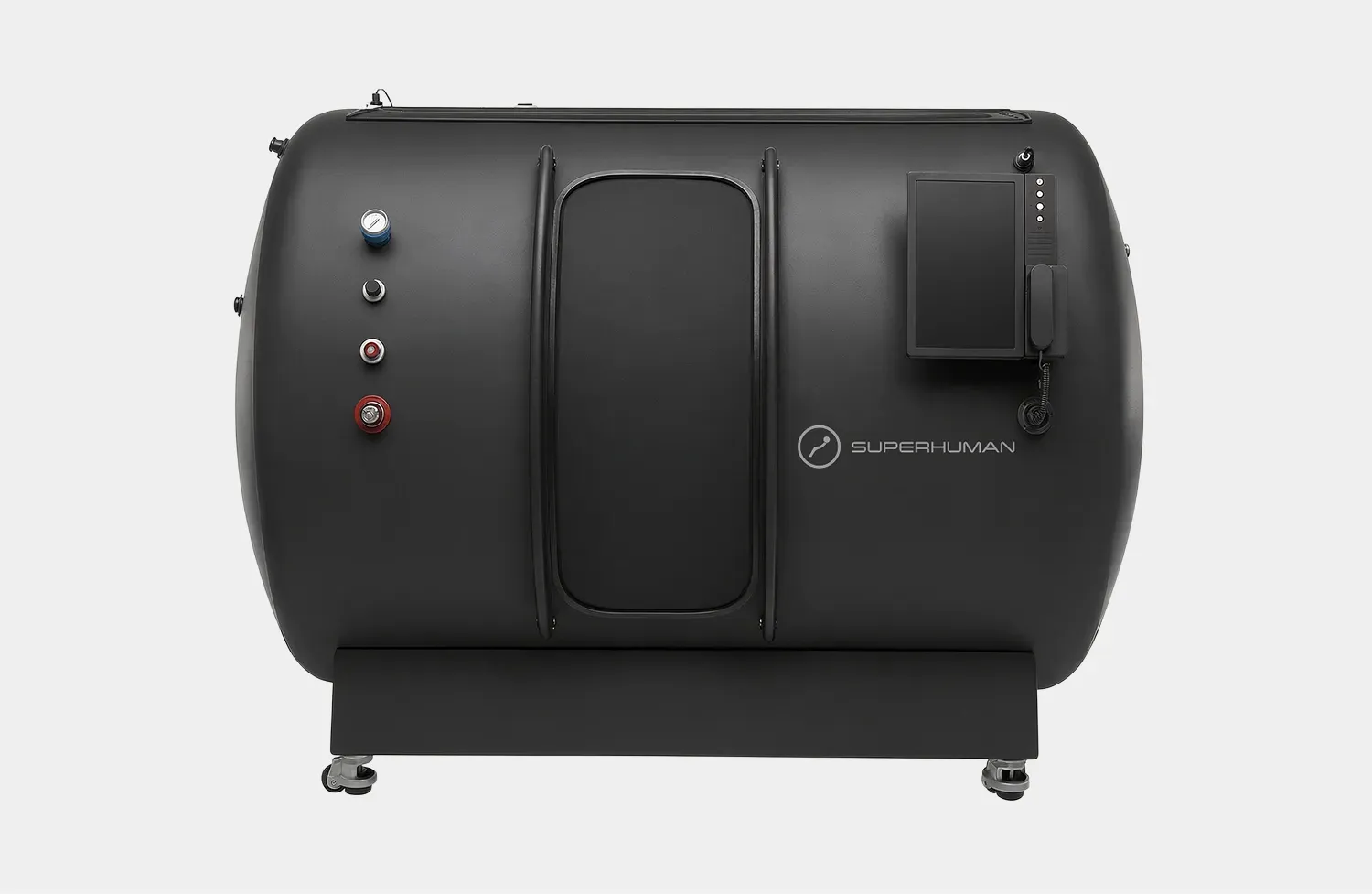
Multi-occupant, without hospital scale
- A couple, or a clinic that needs throughput
- Two to four people share one pressurized cabin
- No hoods and no attendant inside (not a clinical multiplace)
- A true hospital multiplace is only for critically ill patients
Choose a monoplace if you are buying for a home, wellness center, or clinic, you want the no-mask simplicity of breathing oxygen directly, and users are healthy enough to be monitored from outside, which covers essentially all wellness, recovery, and longevity use. From there, pick the pressure and shell: a mild soft-shell like the S1 ($15,000) for everyday home use, or a hard-shell at a true 2.0 ATA like the L1 ($49,000) or seated X ($110,000) for clinical-grade protocols.
Look beyond a single monoplace only if you need to treat several people (where a multi-occupant T2 or T4 fits a couple or a busy clinic), or if you are a hospital treating critically ill patients, which is the narrow case a true multiplace exists for. Size the budget with our cost guide and cost calculator, then browse chambers for sale. Buying for the house? The home hyperbaric chamber guide covers the rest.
FAQ
Monoplace questions
What is a monoplace hyperbaric chamber?
A monoplace hyperbaric chamber treats one person at a time. The entire sealed chamber is pressurized and filled with 100% oxygen, so you breathe the oxygen normally without a mask or hood. It is the most common design for clinics, wellness centers, and home use, and it comes in both rigid hard-shell builds that reach 2.0 ATA and mild soft-shell builds around 1.3 to 1.5 ATA.
What is the difference between monoplace and multiplace chambers?
Occupancy and how the oxygen is delivered. A monoplace chamber holds one person, is filled entirely with oxygen, and needs no mask. A multiplace chamber is a larger room that holds several patients, is pressurized with air while each patient breathes oxygen through a mask or hood, and lets medical staff work inside. Monoplace suits clinics, wellness centers, and homes; multiplace is a hospital-scale installation.
Is a monoplace chamber as effective as a multiplace one?
For most conditions, yes. Mayo Clinic states the treatment effects of hyperbaric oxygen therapy are the same in monoplace and multiplace chambers. The oxygen dose is set by the pressure and the oxygen you breathe, not by how many people share the chamber. The choice between them is about setting, logistics, and cost, plus (for critically ill patients who need hands-on care during treatment) the ability to have staff inside a multiplace chamber.
Do you wear a mask in a monoplace chamber?
No. Because a monoplace chamber is filled entirely with 100% oxygen, you breathe normally with nothing on your face. Many people find this more comfortable and less claustrophobic than a multiplace chamber, where the room is pressurized with air and each patient breathes oxygen through a mask or hood for the whole session.
Can you have a multiplace chamber at home?
It is not practical. A true multiplace chamber is a hospital-scale installation: it needs a dedicated room, trained staff who pressurize alongside patients, an air-and-oxygen delivery system, and a capital budget that runs into the hundreds of thousands or more. For a home or wellness clinic, the realistic choice is a monoplace chamber. From there, decide hard-shell versus soft-shell and, if you want to treat more than one person, a multi-occupant hard chamber.
Is a monoplace chamber hard or soft shell?
It can be either. Occupancy and shell are separate choices. A monoplace chamber can be a rigid hard-shell that reaches a true 2.0 ATA on 100% oxygen, or a portable soft-shell in the mild 1.3 to 1.5 ATA range. Decide the shell by the pressure you need; our hard-shell and soft-shell guides walk through the trade-off.
Last updated: July 2026. This guide is educational and does not replace medical advice. Consult a qualified physician before starting hyperbaric oxygen therapy.