
vs an oxygen mask or concentrator
A mask raises the oxygen you breathe; a chamber raises the pressure around you, which is what drives extra oxygen into the bloodstream and tissue. The pressure is the part a mask alone cannot reproduce.
Now accepting HSA/FSA on eligible orders
Learn moreHow to choose a hyperbaric chamber
Ask which hyperbaric chamber is "best" and you will get a different answer from every retailer, because each one is describing the chamber it happens to sell. The honest answer: there is no single best chamber. There is the right chamber for the pressure you need, the way you will use it, and how long you need it to last. This guide gives you the criteria a clinic's buyer uses, then applies them, so you can judge any chamber on the market for yourself.
The short answer
For full clinical pressure that lasts decades, a hard-shell chamber at 2.0 ATA is the standard a serious buyer measures everything against. A soft-shell at 1.3 to 1.5 ATA is the lowest-cost way into mild HBOT and the right call when budget or portability leads. For a clinic or wellness studio, the deciding factor is rarely price: it is build quality, certification, and the throughput and trust that keep members coming back. Everything below is how you tell those apart.
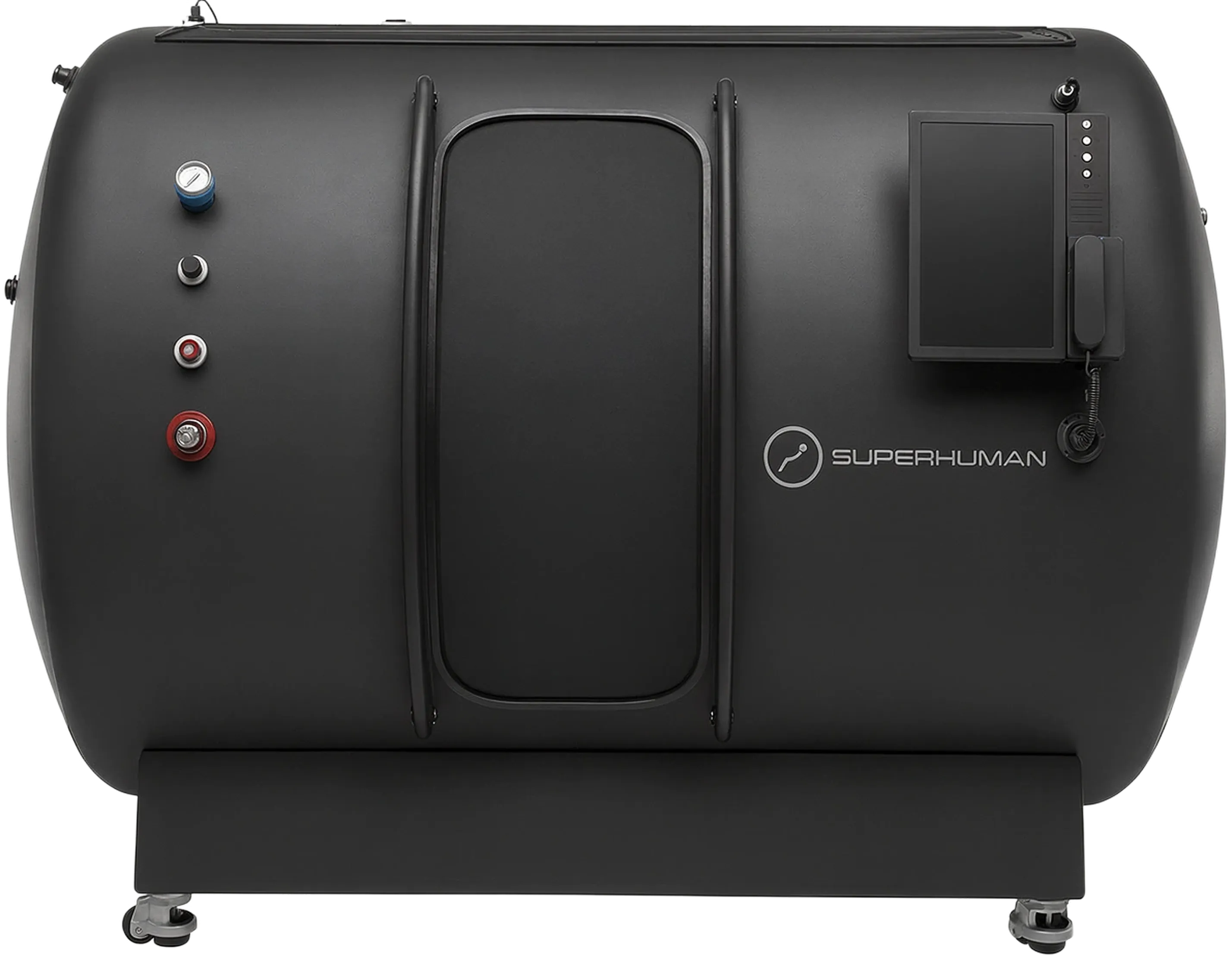
The buyer's framework
Strip away the marketing and every hyperbaric chamber comes down to seven things you can actually check, in roughly this order: the first decide whether a chamber is safe and built to last, the rest decide whether it fits how you will use it. A chamber that wins on price but fails the build-and-safety checks is not a bargain; it is a liability you will replace.
Pressure is the active ingredient, not oxygen alone. Soft-shell chambers reach 1.3 to 1.5 ATA (mild HBOT); hard-shell chambers reach up to 2.0 ATA, the pressure used in most studied protocols. Decide the pressure you actually need first, because it rules out half the market in one step.
This is where lifespan is won or lost. An inflatable fabric shell lasts roughly 5 to 10 years; a 304 stainless-steel pressure vessel lasts 20 to 30 or more. Ask what the shell is made of and how it seals before you ask anything about price.
Real certification is verifiable. Look for a chamber pressure-tested above its operating limit and built to recognized standards: ISO 13485 for medical-device manufacturing, CE marking, and, for hard-shell vessels, the ASME PVHO-1 pressure-vessel standard. If a seller cannot show the paperwork, treat the certification as marketing. Ask for the certificate holder's name and number, and who actually builds the chamber: most brands buy from third-party factories, while a vertically integrated seller answers for the vessel itself. Superhuman's hard-shell chambers are built in the company's own ASME-certified factory, and the paperwork is part of every buyer review.
How a chamber delivers oxygen decides whether it is safe to run outside a hospital. Air-pressurized chambers that deliver oxygen through a BIBS mask avoid the pure-oxygen environment that creates a serious fire hazard. A chamber you run yourself, without a technician on hand, has to be engineered for exactly that.
Match the chamber to the room and the number of people. Monoplace (one person, seated or lying), two-person, and multiplace chambers differ in footprint, clearance, and install. A soft-shell can be deflated and stored; a hard-shell is planned into a room like furniture.
A chamber is a decade-long relationship, not a one-time purchase. Weigh the warranty against the realistic lifespan, and confirm what is included: delivery, professional installation, calibration, and training, versus what arrives as a second invoice. Support is what you will care about in year three.
If the chamber earns money, run the economics. A multiplace chamber serves several people per session, which transforms cost per session and payback. Owning also turns a recurring clinic fee of $100 to $250 a visit into a fixed cost: the more it is used, the lower the effective price per session.
The first fork
Almost every decision starts here, and neither is universally better: they serve different goals. Soft-shell wins on price and portability; hard-shell wins on pressure, lifespan, and long-run cost per session. For the deep version, read our guide to hard-shell vs soft-shell chambers.
| Soft-shell (mild HBOT) | Hard-shell | |
|---|---|---|
| Max pressure | 1.3 to 1.5 ATA (mild HBOT) | Up to 2.0 ATA |
| Shell & materials | Inflatable fabric | 304 stainless steel pressure vessel |
| Typical lifespan | ~5 to 10 years | 20 to 30+ years |
| Footprint | Packs away when deflated | A permanent fixture in the room |
| Cost of entry | From $15,000 (S1) | From $49,000 (L1) |
| Best suited to | Mild wellness, smallest budget | Full clinical pressure, clinics, daily use |
The right pick per buyer
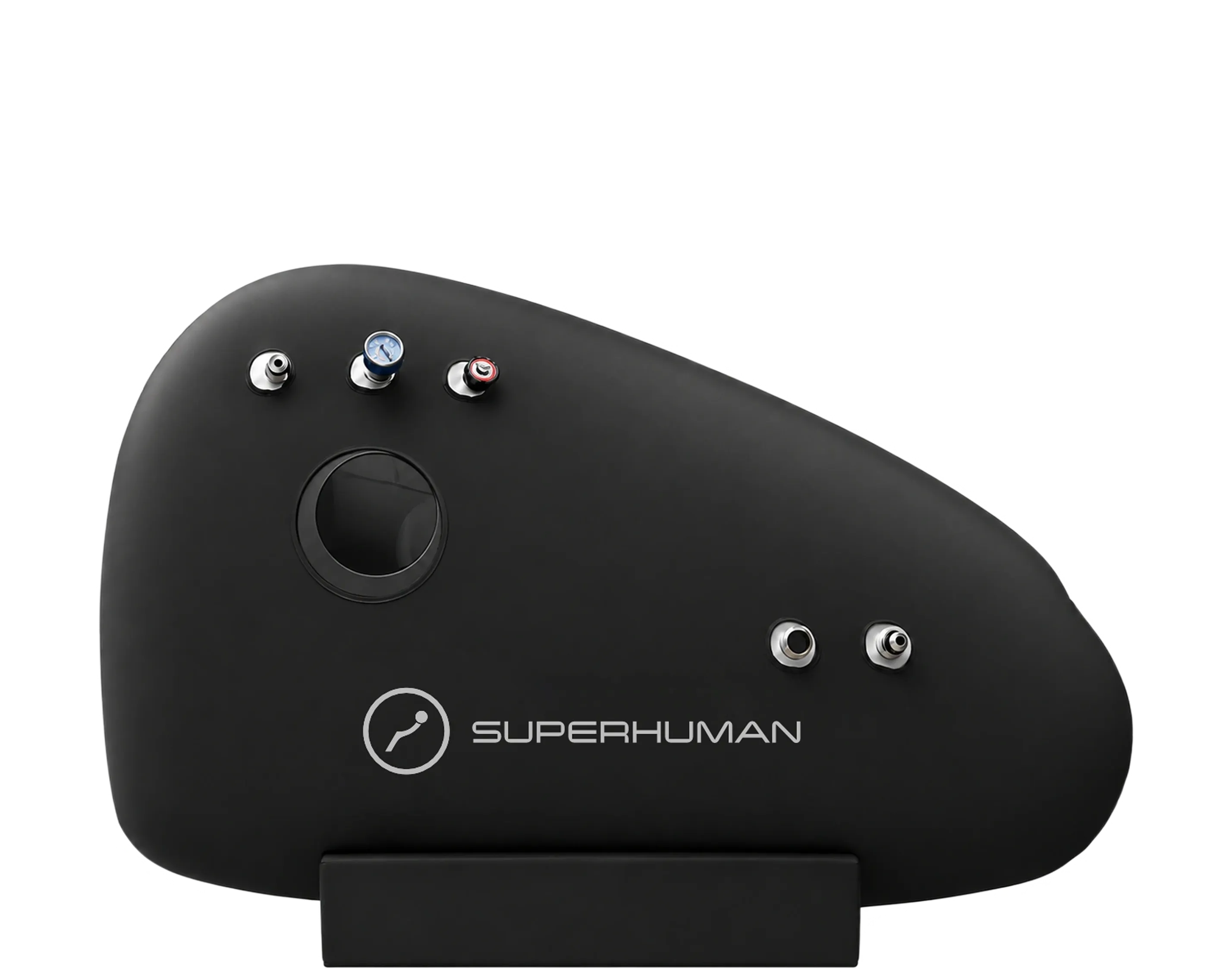
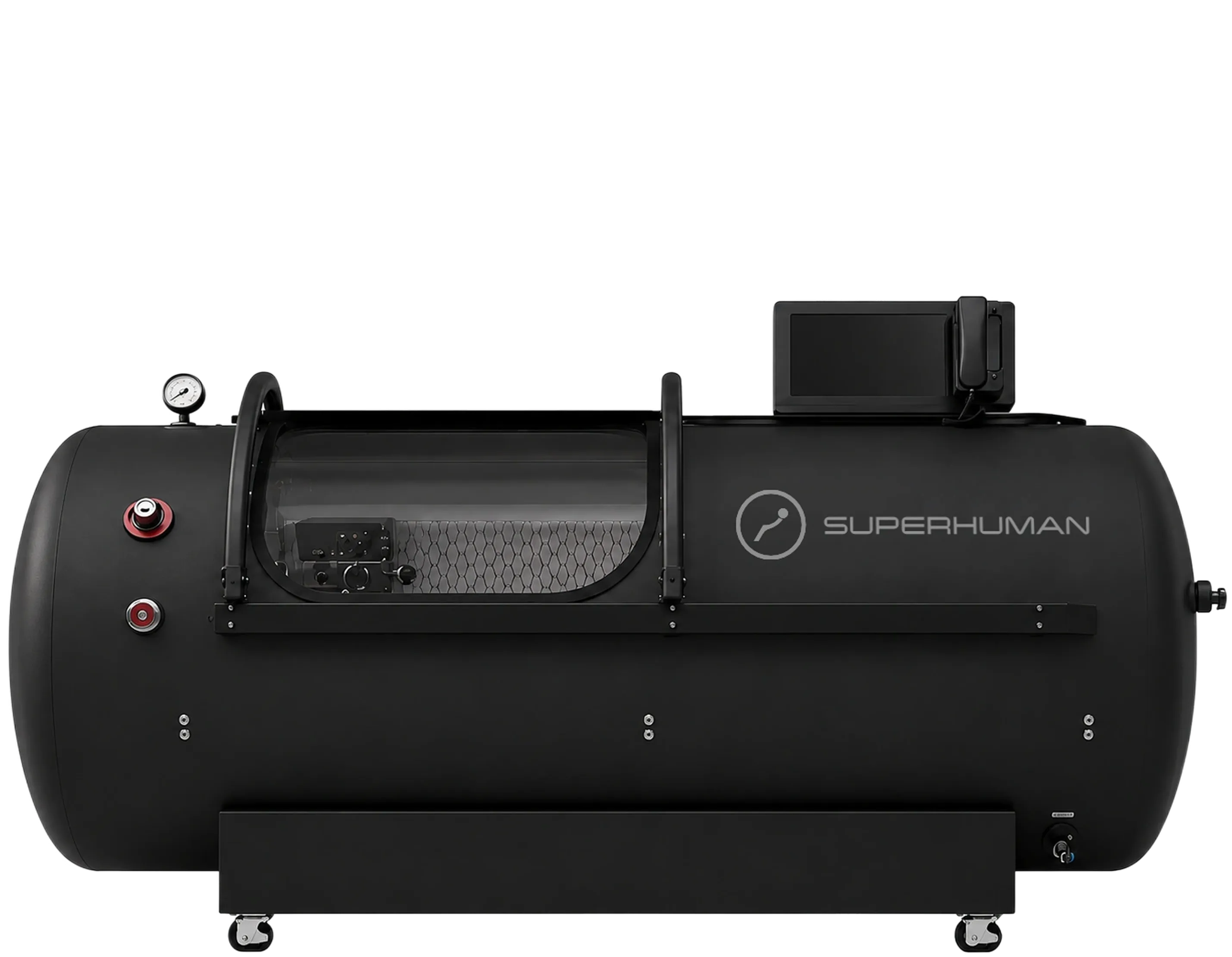
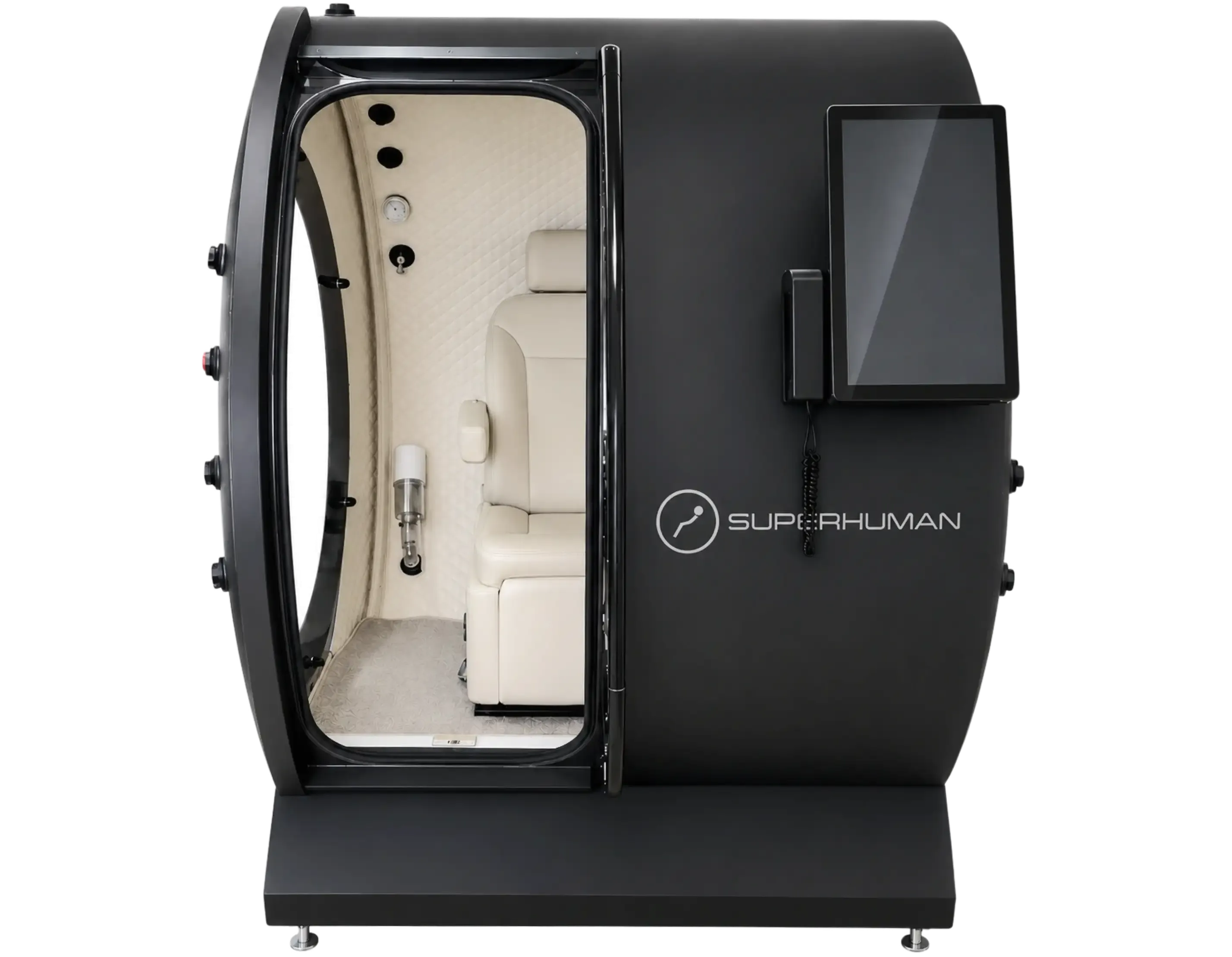
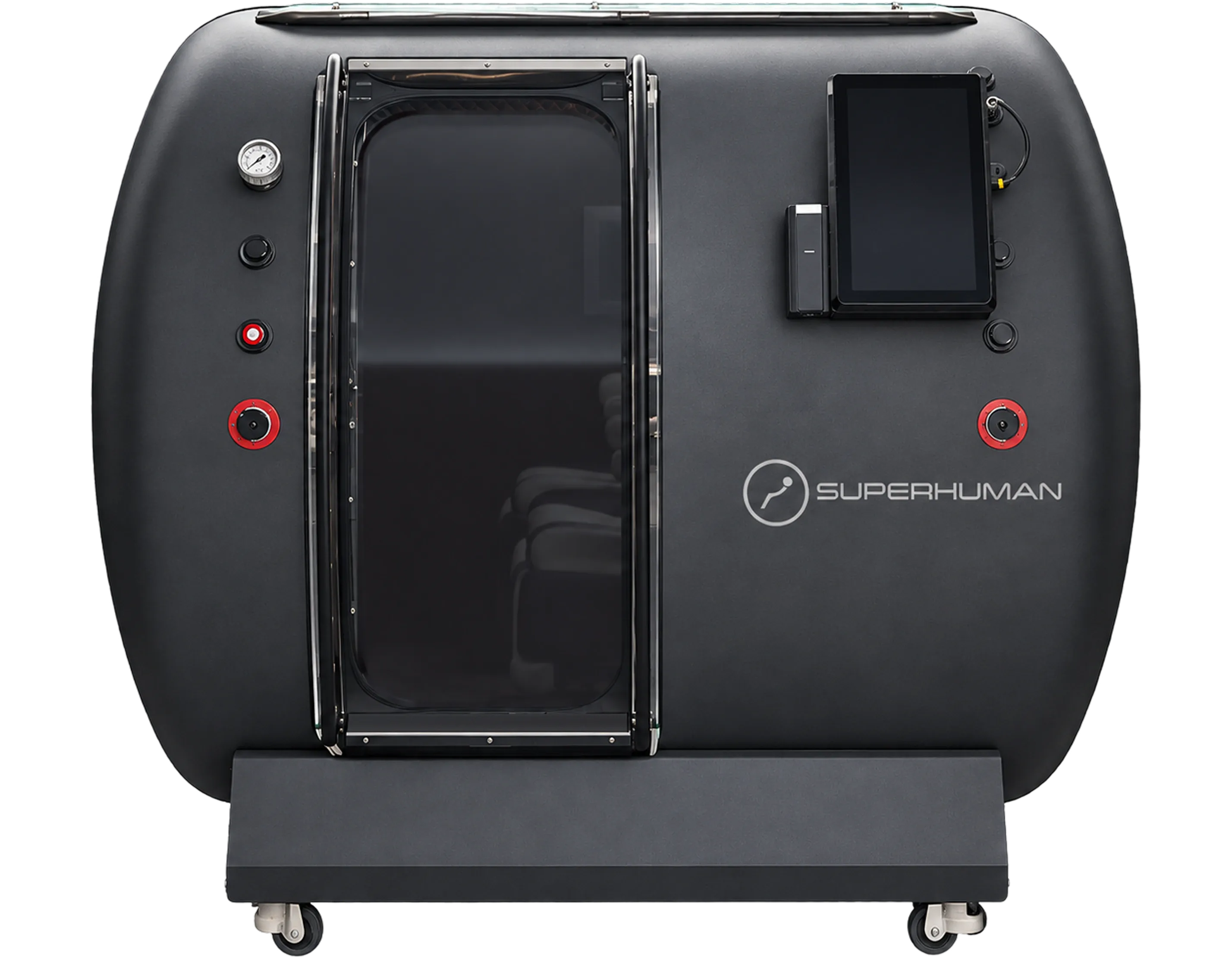
Apply the criteria to a real lineup and the segments fall out cleanly: the cheapest way in, the best value at full pressure, the compact option, the shared chamber, and the operator's workhorse.
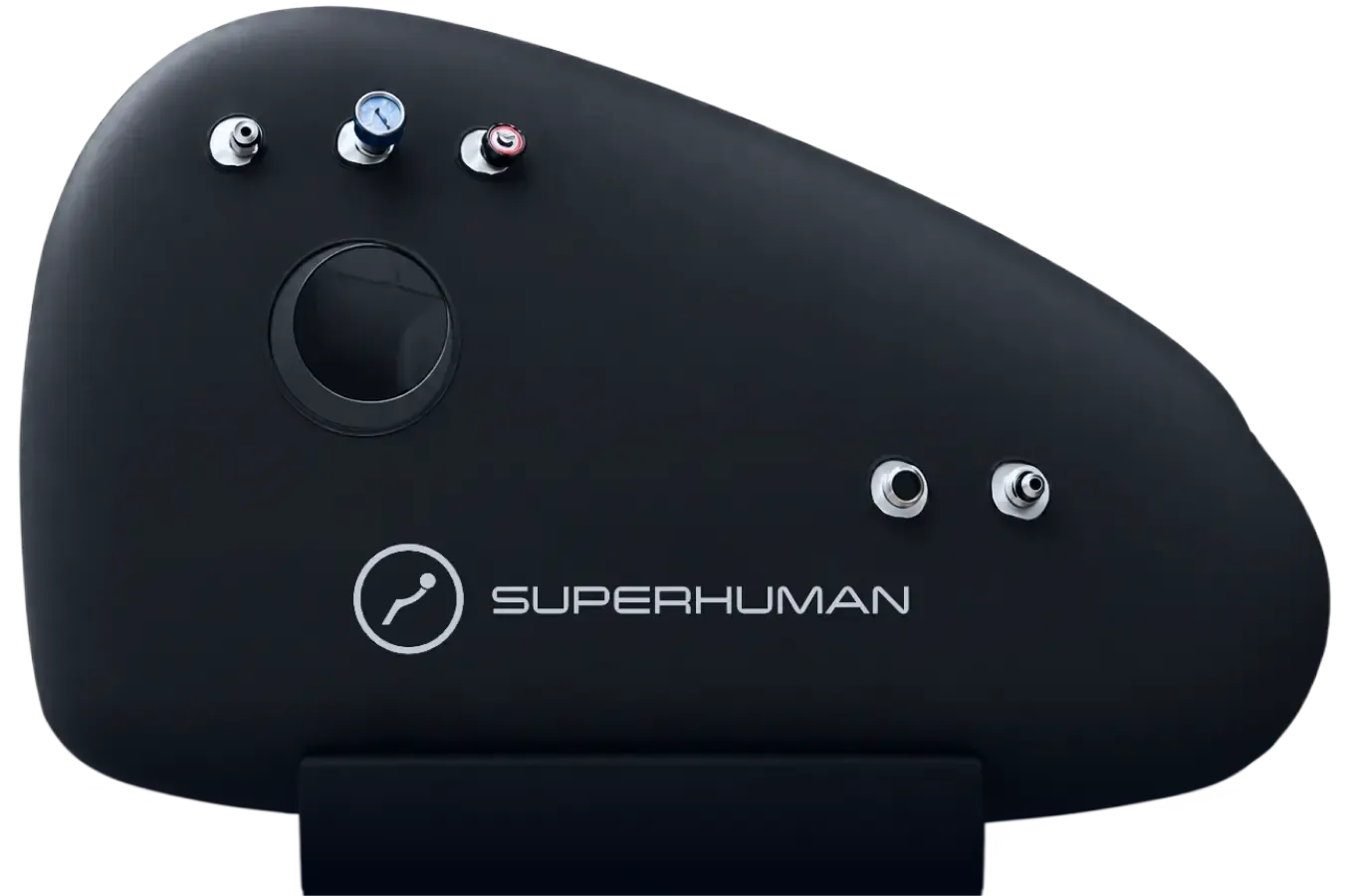
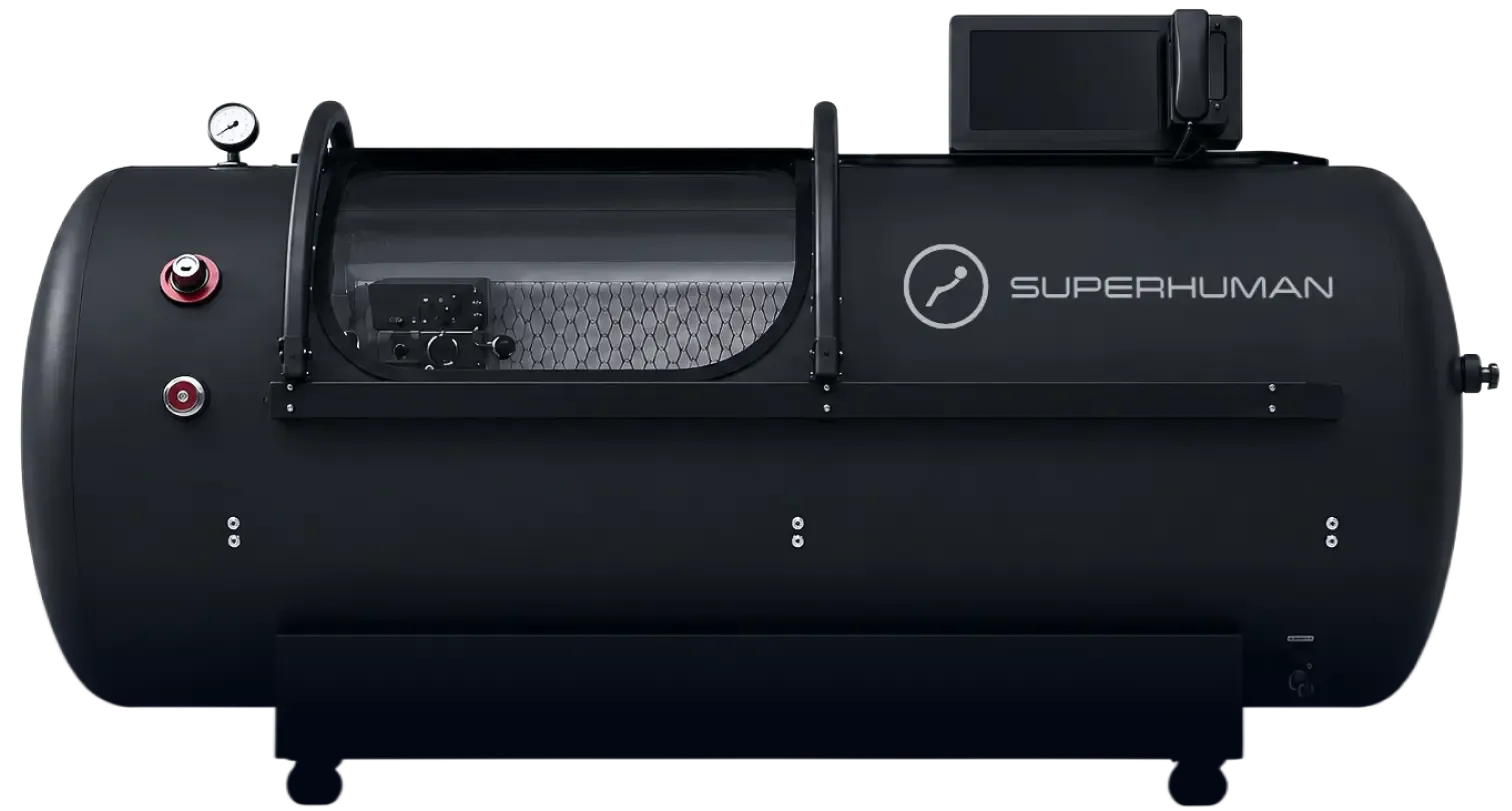

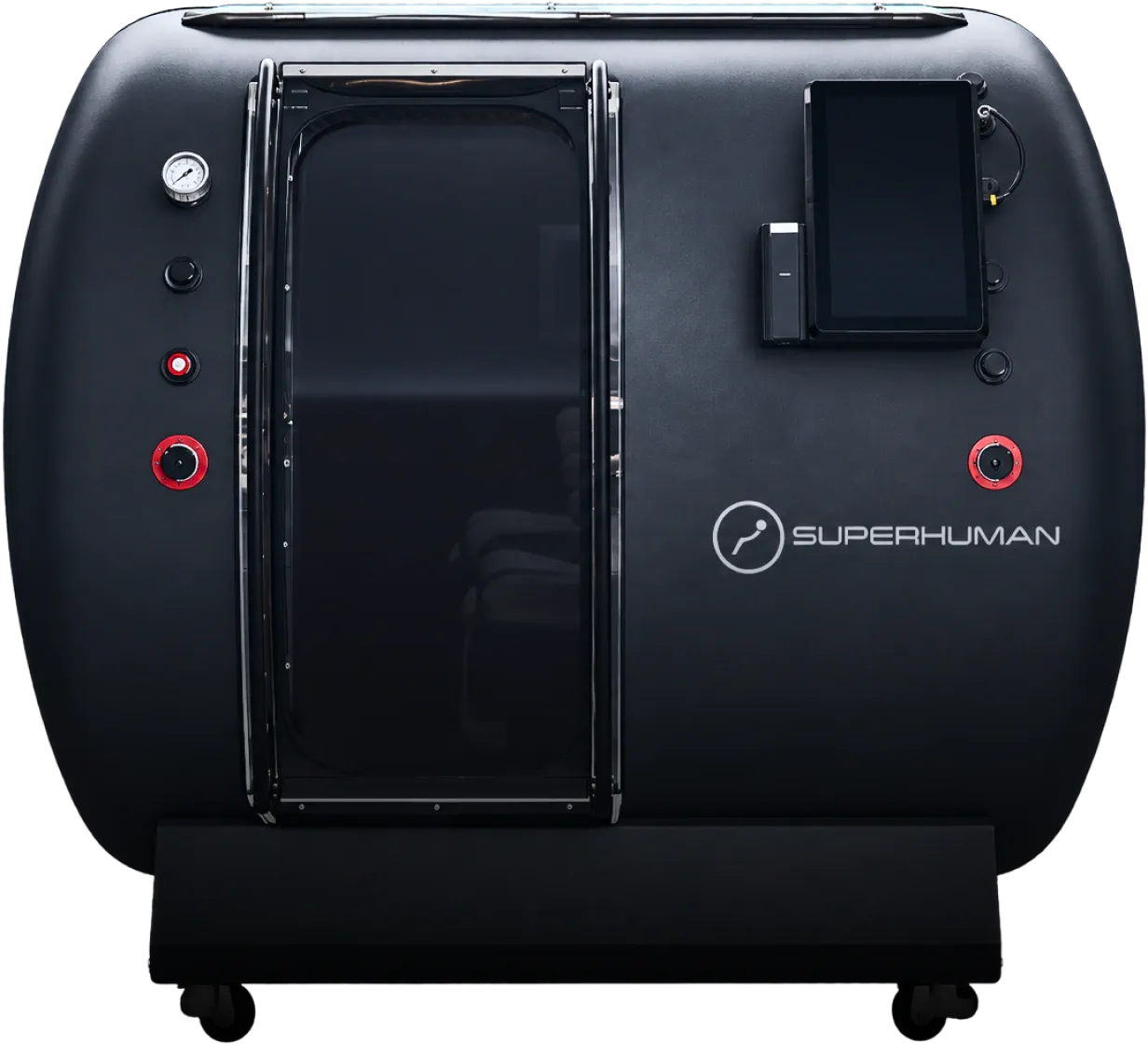
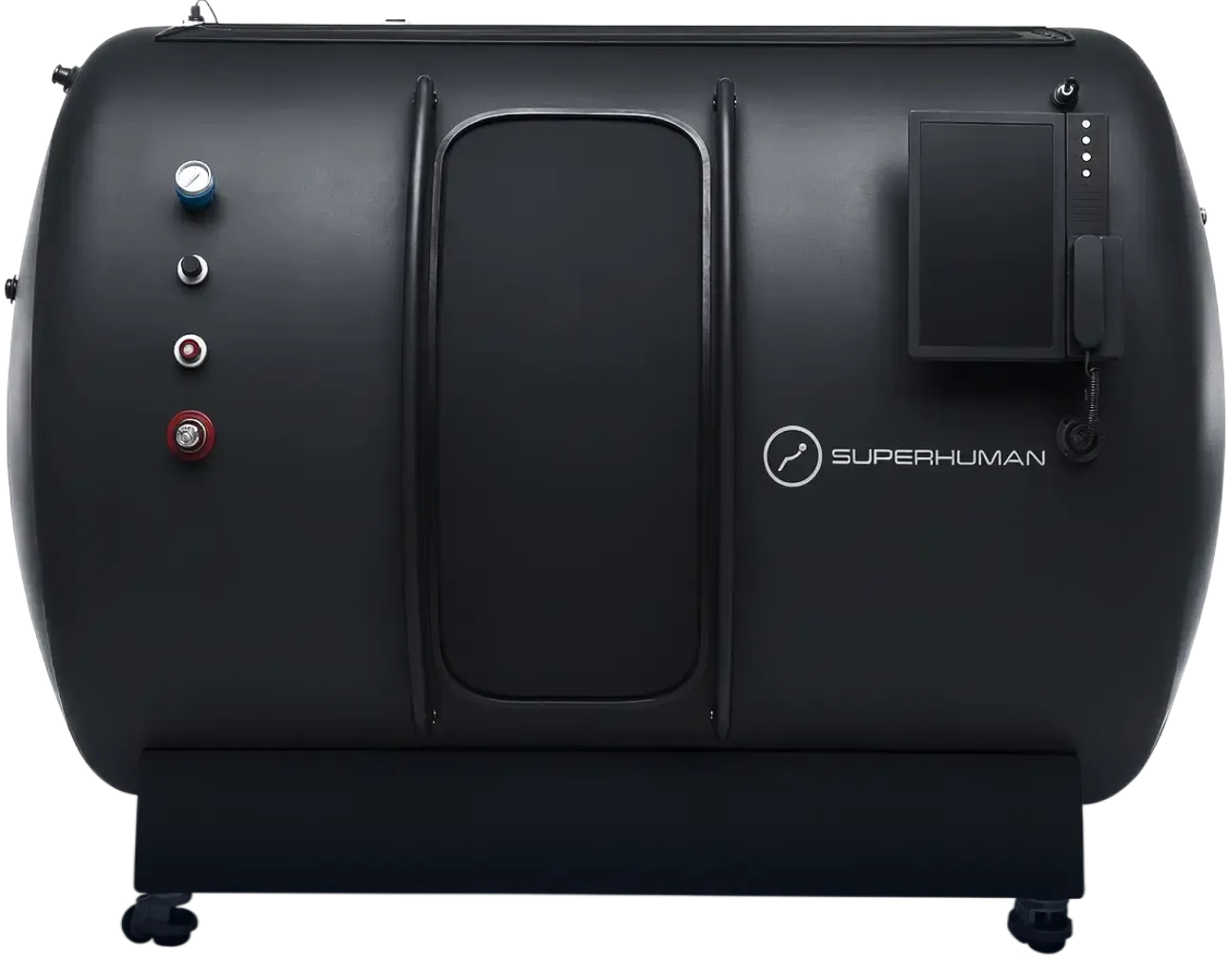
Compare every model side by side in the full hyperbaric chambers for sale lineup, or see who buys a personal chamber and why in the home hyperbaric chamber guide.
For clinics & wellness operators
If your chamber serves paying members, 'best' means something different: it is the chamber that fills the schedule and keeps people coming back. Three things decide that.
The economics decide the rest. A multiplace chamber serves several members per session, which is what turns HBOT into a profitable service line. Run the unit economics for your own throughput and pricing.
Before you compare chambers
A few comparisons come up often. The honest answer is that they solve different problems, so they are rarely a straight swap for a hyperbaric chamber.
For the evidence behind hyperbaric therapy itself, see the research.
FAQ
There is no single best chamber; there is the right one for your pressure, your use, and your budget. For full clinical pressure that lasts decades, a hard-shell at 2.0 ATA is the benchmark serious buyers measure against. For the lowest-cost way into mild HBOT, a soft-shell at 1.3 to 1.5 ATA. Judge any chamber on the seven criteria above: pressure, build, certification, oxygen safety, capacity, warranty, and cost per session.
For most homes the decision comes down to the L1 versus the S1. The L1 hard-shell delivers full 2.0 ATA and lasts 20 to 30+ years for $49,000; the S1 soft-shell is the lowest-cost entry into mild HBOT at $15,000. Choose by the pressure you want and whether the chamber needs to pack away. See our home hyperbaric chamber guide for the full breakdown.
Neither is universally better; they serve different goals. Soft-shell wins on price and portability at 1.3 to 1.5 ATA. Hard-shell wins on pressure (up to 2.0 ATA), lifespan (20 to 30+ years), and long-run cost per session. For a clinic or serious daily use, hard-shell is the standard. Read our full hard-shell vs soft-shell guide for the details.
The brands worth shortlisting are the ones that publish their certifications, pressure-test data, and warranty terms; that transparency is the real signal, more than the logo. Be wary of any seller who cannot show the paperwork. Superhuman chambers are built to ISO 13485 with CE marking, ASME- and PED-verified pressure vessels, and independent pressure-testing to PVHO-1 standards.
Athletes want recovery on their own schedule, so a hard-shell at full 2.0 ATA that supports daily use is the usual choice: the L1 for one person, or the T2 for a training pair. See our guide to HBOT for athletic recovery for what the research actually shows.
"Best on the market" usually means the highest real specification: full 2.0 ATA, a certified 304 stainless pressure vessel, decades of lifespan, and proper support. Among our lineup the T-series hard-shells meet that bar, and the four-person T4 multiplace sits at the top of the range for clinics and operators.
They do different jobs. A mask or concentrator raises the oxygen you breathe; a hyperbaric chamber raises the pressure around you, which is what drives extra oxygen into the bloodstream and tissue. The pressure is the part a mask cannot reproduce on its own, which is why a chamber is not the same as breathing oxygen at sea level.
Across our lineup, prices run from $15,000 for the soft-shell S1 to $169,000 for the four-person T4 multiplace, with the most affordable full-pressure hard-shell, the L1, at $49,000. For market ranges and the real five-year cost of ownership, see our hyperbaric chamber cost guide and calculator.

All-inclusive pricing
Elsewhere, getting a hard-shell chamber running means a stack of separate invoices. Here, it’s already in the price on the card.
No broker fee · no freight · no setup bill · no second invoice.
All-inclusive pricing
The S1 arrives ready to set up in minutes, with no install crew to pay for. The price covers everything around it.
No broker fee · no freight · no setup bill.