
Medical-grade, decoded
Hard shell hyperbaric chambers
A hard-shell hyperbaric chamber is a rigid steel, acrylic, or composite pressure vessel that reaches 2.0 to 3.0 ATA with 100% oxygen: the pressure clinical HBOT research is actually built on. Prices run from about $25,000 for a home hard-shell to $150,000-plus for a multi-seat clinical unit. Here is what "medical grade" really means, how the types differ, and which one to buy.
The object
What a hard-shell chamber is
A hard-shell chamber is a rigid, sealed vessel engineered to hold high pressure without depending on inflation to keep its shape. That single fact, a self-supporting shell, is what lets it reach clinical pressure and deliver pure oxygen.
| Part | What it does |
|---|---|
| Shell | Rigid steel, aluminum, acrylic, or aerospace composite that is self-supporting under pressure |
| Viewport | Thick acrylic windows rated to the same pressure as the shell |
| Oxygen system | Chamber flooded with 100% O₂ (monoplace) or a mask/hood feeding pure O₂ (multiplace) |
| Pressure control | Precise regulation to a set 1.5–3.0 ATA, held stable through the session |
| Safety systems | Redundant relief valves, fire suppression, and monitored controls |
The rigid build is the whole difference from a soft-shell chamber, which trades peak pressure for portability. New to chambers entirely? Start with what a hyperbaric chamber is, or see the full pressure ladder in our ATA pressure guide.
Why it's called true HBOT
2.0–3.0 ATA on 100% oxygen
A hard-shell chamber pressurizes to double or triple sea level and delivers pure oxygen: together they drive several times more oxygen into your blood plasma than a mild chamber, which is the mechanism the clinical research depends on.
At 2.0 ATA the air pressure is doubled, and Mayo Clinic notes clinical protocols run two to three times normal pressure so the lungs take in far more oxygen than breathing pure oxygen at sea level allows (Mayo Clinic). The table below shows the jump in inspired-oxygen pressure: the reason a rigid chamber on 100% oxygen is the benchmark the studies use.
| Setting | Oxygen · pressure | Inspired O₂ pressure |
|---|---|---|
| Room air, sea level | 21% O₂ · 1.0 ATA | ≈ 160 mmHg |
| Soft chamber + concentrator | ~90% O₂ · 1.3 ATA | ≈ 889 mmHg |
| Hard chamber, 2.0 ATA | 100% O₂ · 2.0 ATA | ≈ 1,520 mmHg |
| Hard chamber, clinical | 100% O₂ · 2.4 ATA | ≈ 1,824 mmHg |
Figures use the standard gas-law estimate (fraction of oxygen × pressure × 760 mmHg). The full walkthrough, and why 100% oxygen matters as much as the pressure, is in our ATA pressure guide.
The two clinical types
Monoplace vs multiplace
Hard-shell chambers come in two forms that differ by capacity and how oxygen reaches you, not by how well they work. Mayo Clinic notes the treatment effect is the same in both.
| Monoplace | Multiplace | |
|---|---|---|
| Occupancy | One person | Two or more |
| How oxygen is delivered | Whole chamber flooded with 100% O₂ | Room pressurized with air; O₂ via mask or hood |
| Build | Clear acrylic tube, patient lies on a sliding bed | Room-sized rigid vessel, seated or walk-in |
| Staff inside | No, monitored from outside | Yes, an attendant can stay inside |
| Typical setting | Clinics, home hard-shell units | Hospitals, larger operators |
Most home and single-user hard-shell chambers are monoplace; multiplace units are room-sized and belong to hospitals and larger operators (Mayo Clinic).
Read the label carefully
What "medical grade" really means
"Medical grade" is a marketing phrase, not one certification, so it pays to know the actual standards behind a genuinely clinical chamber, and where the term gets stretched.
A truly clinical hard-shell chamber is fabricated to the ASME PVHO-1 pressure-vessel standard, operated under the NFPA 99 facility code, and cleared by the FDA as a Class II device (ASME, FDA). Those three together are what "hospital grade" actually points to.
The honest caveat: many home hard-shell chambers marketed as "medical grade" reach a genuine 2.0 ATA and are well engineered, yet are not hospital-certified to that full stack. That is not a scam (it is a different product for a different setting), but it is a real distinction. Before you buy, ask a seller exactly which standard the chamber meets rather than taking the phrase at face value.
What it treats
The clinical indications, and the honest line
Hard-shell chambers are the type behind the recognized medical uses of HBOT, because those protocols require the pressure and pure oxygen only a rigid chamber delivers.
The FDA and Mayo Clinic recognize hard-shell hyperbaric therapy for conditions including decompression sickness, carbon monoxide poisoning, non-healing wounds such as diabetic foot ulcers, serious infections, radiation tissue injury, and compromised skin grafts (Mayo Clinic, UHMS). These are prescribed courses, often 20 to 40-plus sessions, run under medical supervision, not wellness drop-ins.
Alongside those, hard-shell chambers are used for recovery, performance, and longevity goals at a true 2.0 ATA, where evidence is still developing: we grade what the studies actually show in our benefits guide and hyperbaric oxygen therapy overview. The honest split: a hard-shell can serve both, but the clinical indications belong to a physician, not a spec sheet.
Side by side
Hard-shell vs soft-shell
The two types answer different goals. A hard-shell buys clinical pressure and 100% oxygen; a soft-shell buys portability, comfort, and a far lower price.
Neither is universally better: they fit different goals and budgets. The full soft-side case is in our soft-shell chamber guide, and a model-by-model breakdown across both types is in best hyperbaric chambers.
The money
What a hard-shell chamber costs
Hard-shell prices span a wide ladder, from a home unit around $25,000 to a hospital multiplace near $1,000,000. Where you land depends on pressure, size, seats, and certification.
Home hard-shell (single)
Composite or steel, true 2.0 ATA, fits a home
Premium single / seated
Larger cabin, higher build and comfort spec
Multi-seat operator
Two-to-four seats for a clinic or studio
Hospital multiplace
Walk-in, staffed, full life-support systems
Budget for the setup too: a hard-shell is heavy, needs floor space and doorway clearance, and often a dedicated electrical circuit. Model purchase plus running cost with our cost guide and cost calculator before you commit.
The decision
Which hard-shell should you buy?
Two questions settle it: is this for a home or an operation, and how many people use it at once? Work from there, not from the spec sheet.
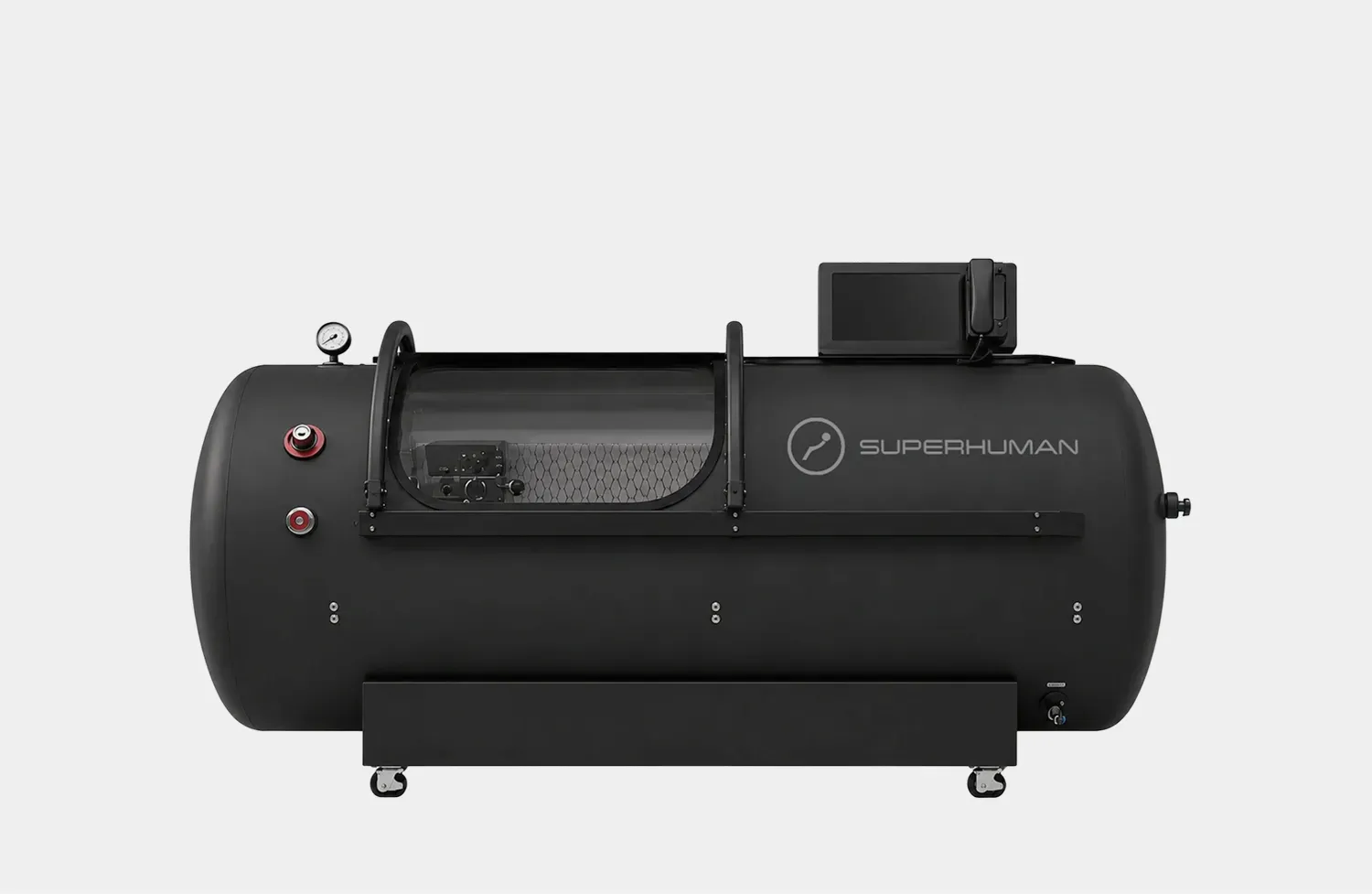
Single cabin, true 2.0 ATA
- One person, recovery or performance at home
- You want clinical pressure without a room-sized install
- 2.0 ATA on 100% oxygen, not a mild chamber
- A studio running one client at a time
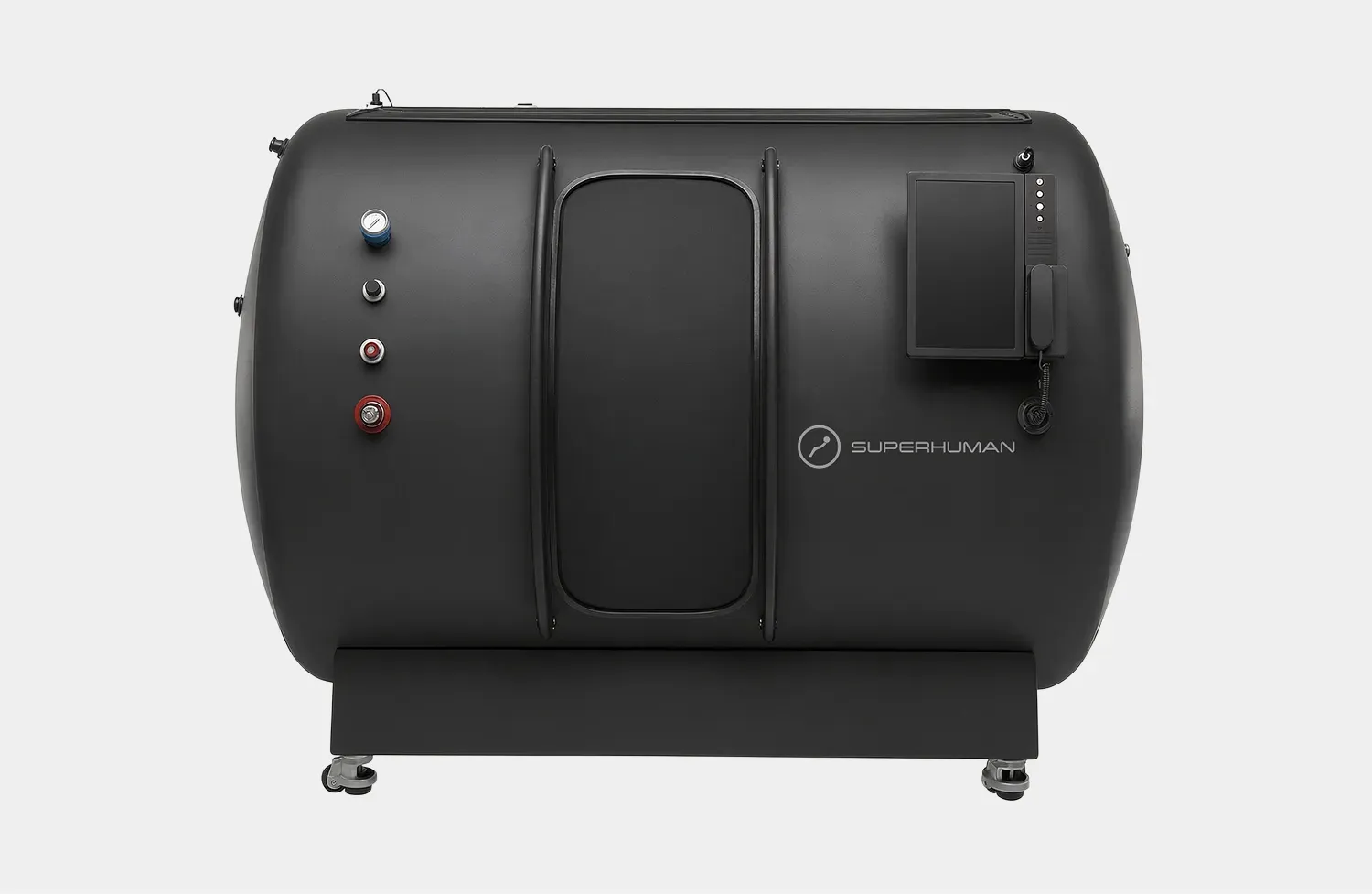
Multi-seat, more clients per session
- Two or more people treated at once
- Throughput and revenue per session matter
- A larger cabin or multiplace build
- Resale value and recognized indications count
For a single user at home or a small studio, a single-person hard-shell at a true 2.0 ATA is the right call: clinical pressure without a room-sized install. In our range that is the hard-shell Superhuman L1 ($49,000), or the seated Superhuman X ($110,000) for a more premium single cabin. If you are outfitting a home specifically, the home hyperbaric chamber guide covers space, power, and placement.
For an operator or clinic, capacity drives the choice: the two-seat Superhuman T2 ($125,000) or the four-seat Superhuman T4 ($169,000) move more clients per session. Compare the full lineup in best hyperbaric chambers, and when you are ready, browse hyperbaric chambers for sale. Still weighing mild HBOT instead? The soft-shell guide makes that case.
FAQ
Hard-shell questions
What is a hard-shell hyperbaric chamber?
A hard-shell hyperbaric chamber is a rigid pressure vessel, built from steel, aluminum, acrylic, or aerospace composite, that reaches 2.0 to 3.0 ATA and delivers 100% oxygen. The rigid build holds clinical pressure that a flexible soft-shell physically cannot, which is why hard-shell chambers are the type used for the FDA-recognized indications studied in hyperbaric medicine.
What does "medical grade" actually mean for a hyperbaric chamber?
It is a marketing phrase, not a single certification, so read it carefully. A genuinely clinical chamber is fabricated to the ASME PVHO-1 pressure-vessel standard, operated under NFPA 99 facility rules, and cleared by the FDA as a Class II device. Many home "medical grade" hard-shell units reach a true 2.0 ATA and are well built, but are not hospital-certified, a real distinction worth confirming with the manufacturer before you buy.
What is the difference between a monoplace and a multiplace chamber?
A monoplace chamber holds one person: it is usually a clear tube filled entirely with 100% oxygen, and you lie on a bed that slides in. A multiplace chamber holds two or more people; the room is pressurized with air and each person breathes pure oxygen through a mask or hood, so an attendant can stay inside. Mayo Clinic notes the treatment effect is the same in both. The difference is capacity and staffing.
Is a hard-shell chamber better than a soft-shell?
For clinical, prescribed protocols, yes: only a hard-shell reaches the 2.0 ATA and 100% oxygen that the research is built on. For general wellness and recovery at home, a soft-shell at 1.3 to 1.5 ATA with a concentrator is often enough and costs far less. "Better" depends on your goal: match the chamber to the outcome you need, not to the biggest number.
Do you need a prescription to buy a hard-shell hyperbaric chamber?
Often, yes. Because hard-shell chambers are regulated as Class II medical devices, many US sellers require a valid prescription to purchase or rent one, and reputable vendors will help you find a prescribing practitioner. Requirements vary by seller and configuration, so confirm before ordering. Always consult a physician before beginning hyperbaric oxygen therapy.
What are the risks of hard-shell hyperbaric therapy?
Mayo Clinic lists the therapy as generally safe, with most complications mild and temporary: ear and sinus pressure, temporary vision changes, and, with long courses, cataract formation. Rare, more serious risks include oxygen-toxicity seizures and lung collapse, and the oxygen-rich environment raises fire risk, which is why certified programs follow strict fire-prevention rules. Higher pressure and longer sessions increase the odds of complications, so hard-shell protocols run under supervision.
Last updated: July 2026. This guide is educational and does not replace medical advice. Consult a qualified physician before starting hyperbaric oxygen therapy.